Before the railroad. Before the plaza as we know it. Before New Mexico was even a U.S. territory — there was the trail.
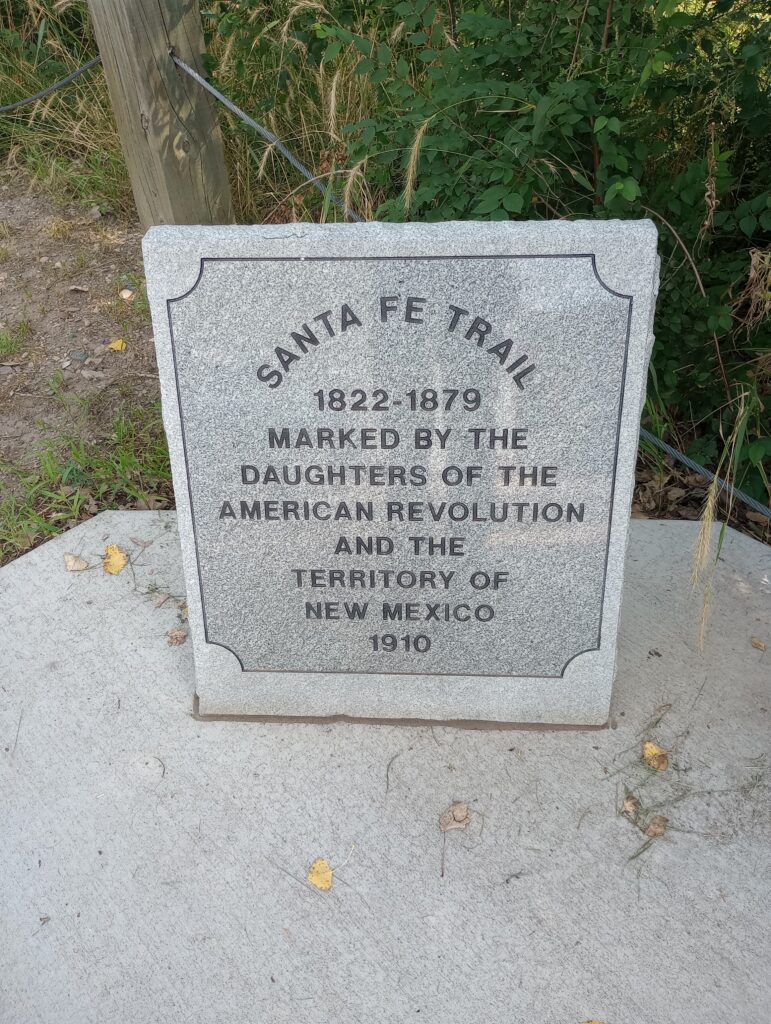
The Santa Fe Trail, stretching nearly 900 miles from Franklin, Missouri to Santa Fe, New Mexico, was one of the most important commercial highways in 19th century North America. And right along its path, at a critical crossing point where the Great Plains gave way to the Sangre de Cristo Mountains, sat a small but strategically vital settlement that would grow into what we know today as Las Vegas, New Mexico.
A Town Born at the Crossroads
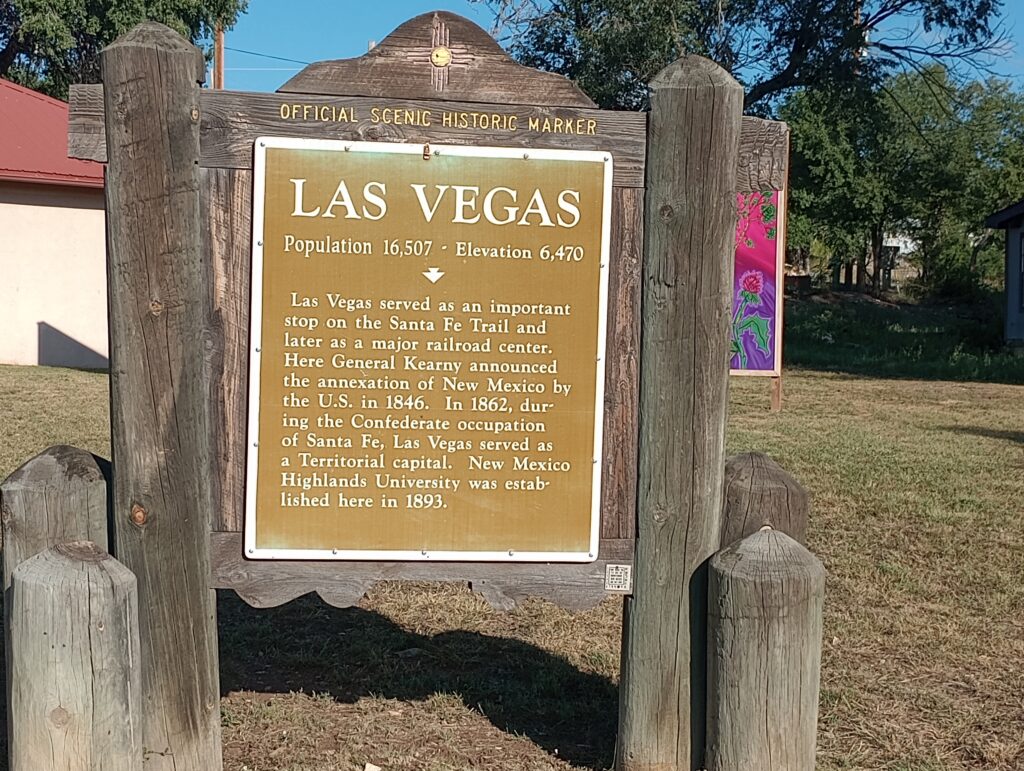
Las Vegas was founded in 1835 when the Mexican government granted land to a group of settlers along the Gallinas River. The location was no accident. Situated at the eastern edge of the mountains, the settlement sat directly on the route that traders, merchants, and travelers used to cross from the plains into the heart of New Mexico.
When the Santa Fe Trail was at its peak in the 1840s and 1850s, Las Vegas was one of the last — or first — major stops depending on which direction you were traveling. Wagon trains heading west would rest here, resupply, and prepare for the mountain passage ahead. Those heading east would pause before the long push across the open plains toward Missouri.
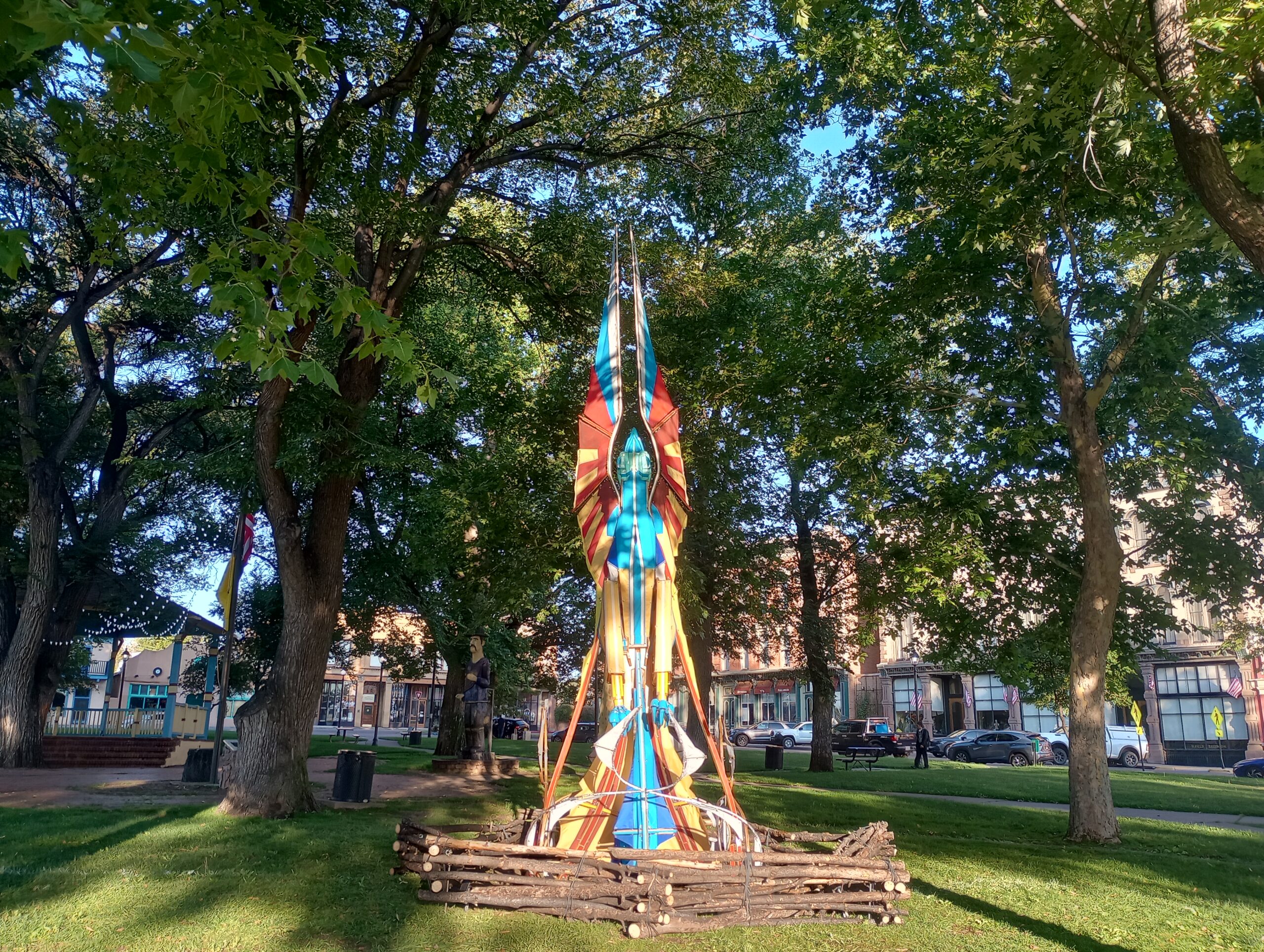
The town’s plaza, which still stands today as the heart of Old Town Las Vegas, served as a gathering point for this constant flow of travelers, merchants, and military personnel. It was a place of commerce, news, and encounter — a true frontier crossroads.
The American Arrival
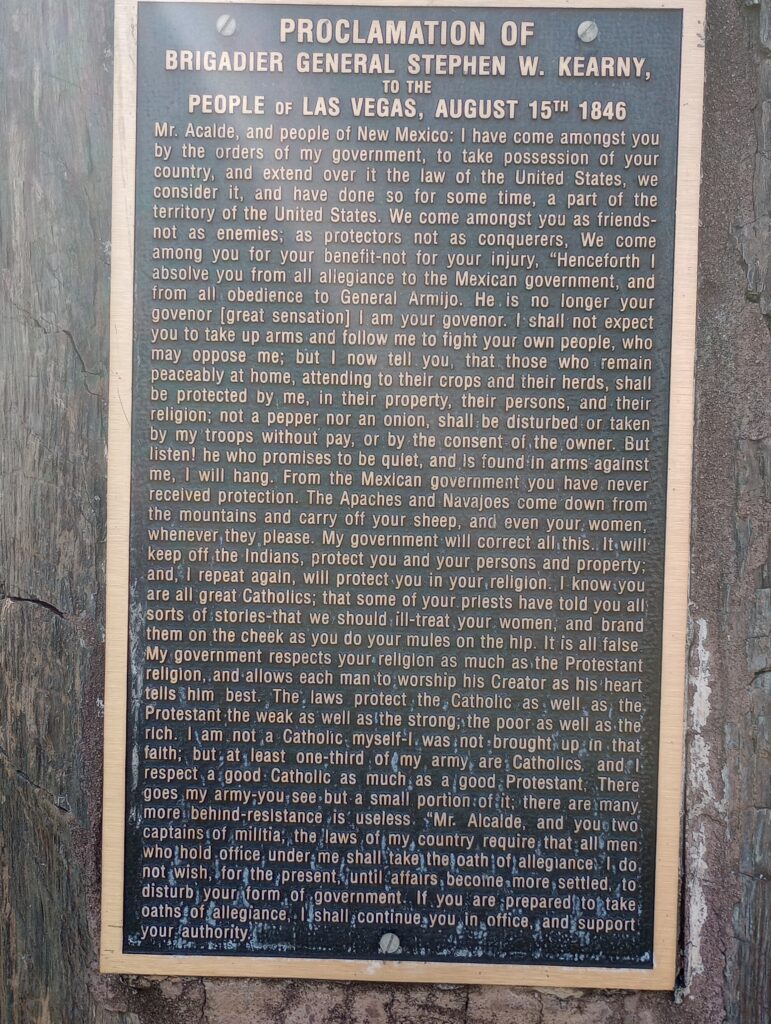
In 1846, during the Mexican-American War, General Stephen Kearny and his Army of the West marched into Las Vegas along the Santa Fe Trail. Standing on a rooftop overlooking the plaza, Kearny addressed the residents of Las Vegas and declared New Mexico a territory of the United States — making Las Vegas one of the first communities in the region to come under American governance.
It was a pivotal moment, and it happened right here on the plaza that residents and visitors still walk today.
Commerce, Culture, and Conflict
The trail years brought tremendous economic activity to Las Vegas. Merchants set up trading posts. Goods flowed in both directions — manufactured items from the east traded for wool, hides, and silver from New Mexico and Mexico. The town developed a cosmopolitan character unusual for its size, shaped by the constant movement of people from across the continent and beyond.
But the trail era also brought conflict. Relations between settlers, traders, and the region’s Indigenous communities were complex and often violent. The history of the Santa Fe Trail cannot be told honestly without acknowledging that the route passed through and disrupted lands that had been home to Comanche, Kiowa, Apache, and other peoples for generations.
The Trail’s Legacy in Las Vegas Today
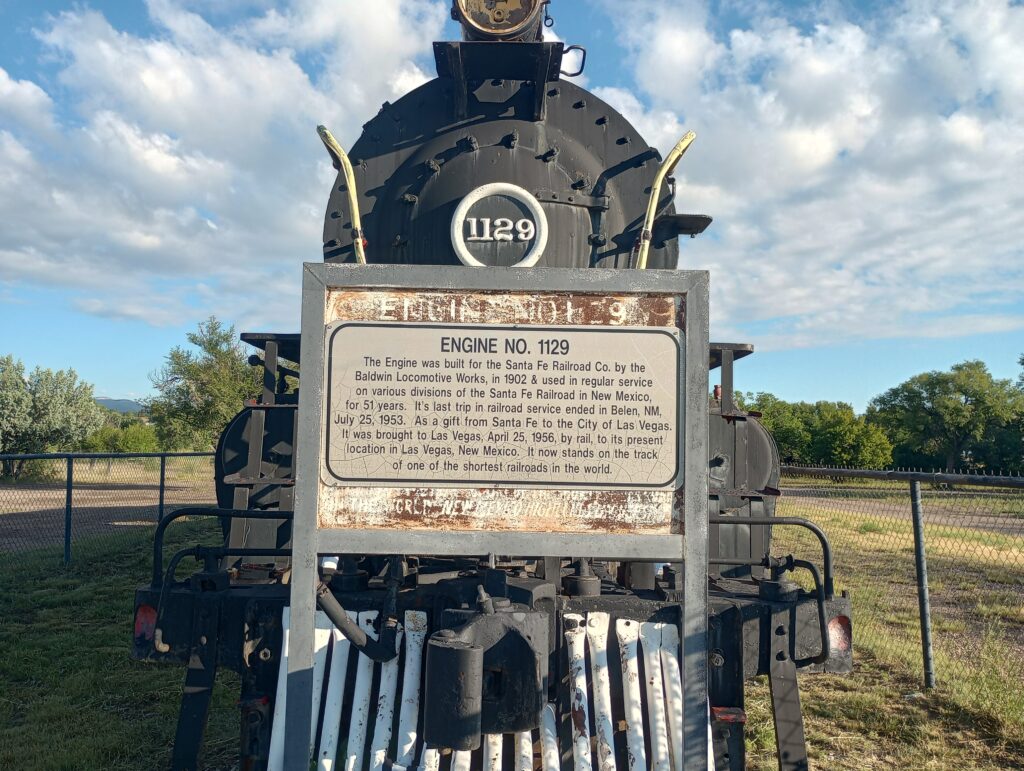
The Santa Fe Trail was eventually made obsolete by the arrival of the railroad in 1879 — a development that would bring its own transformation to Las Vegas. But the trail’s legacy is woven into the physical fabric of the city in ways that are still visible.
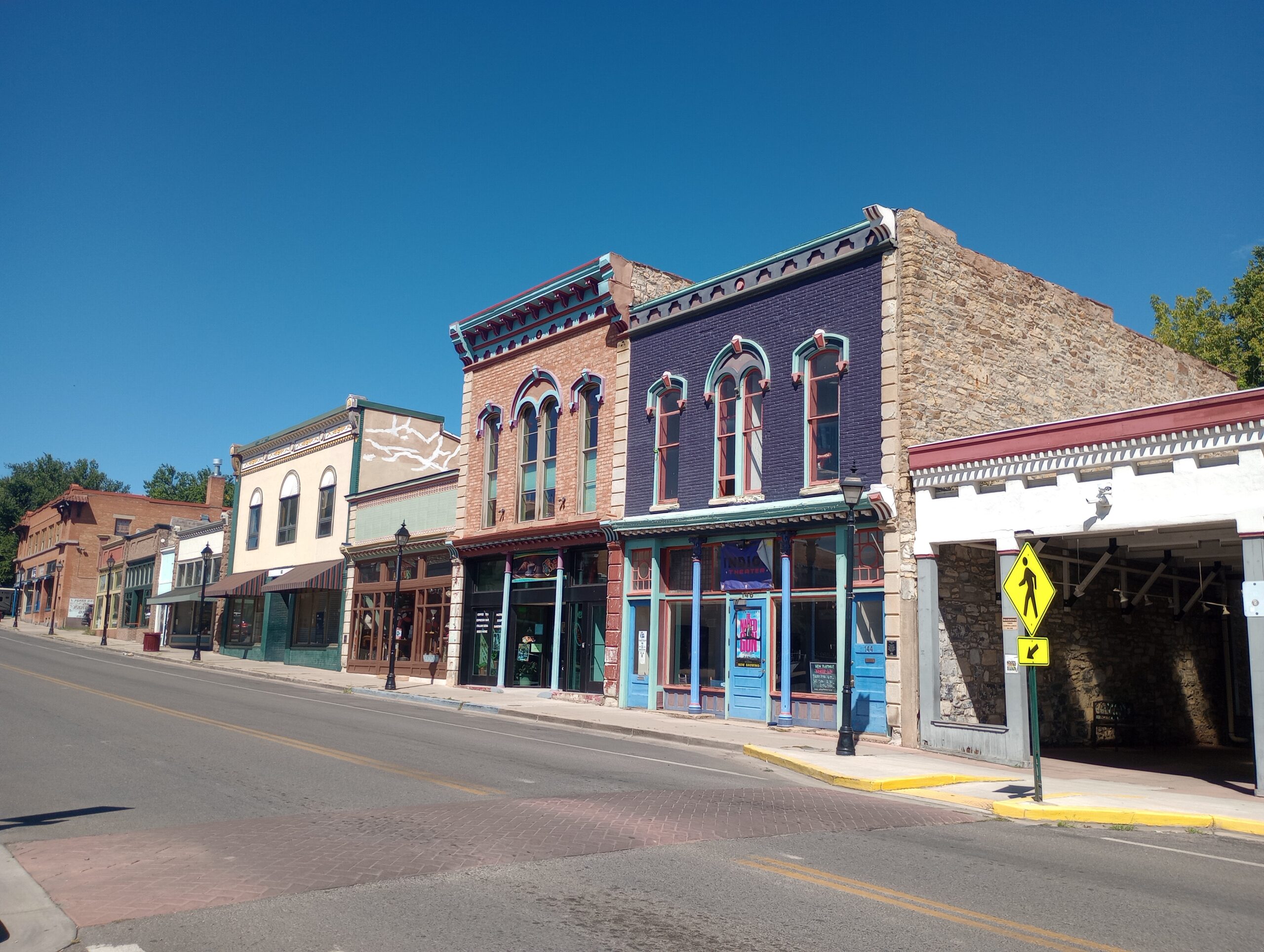
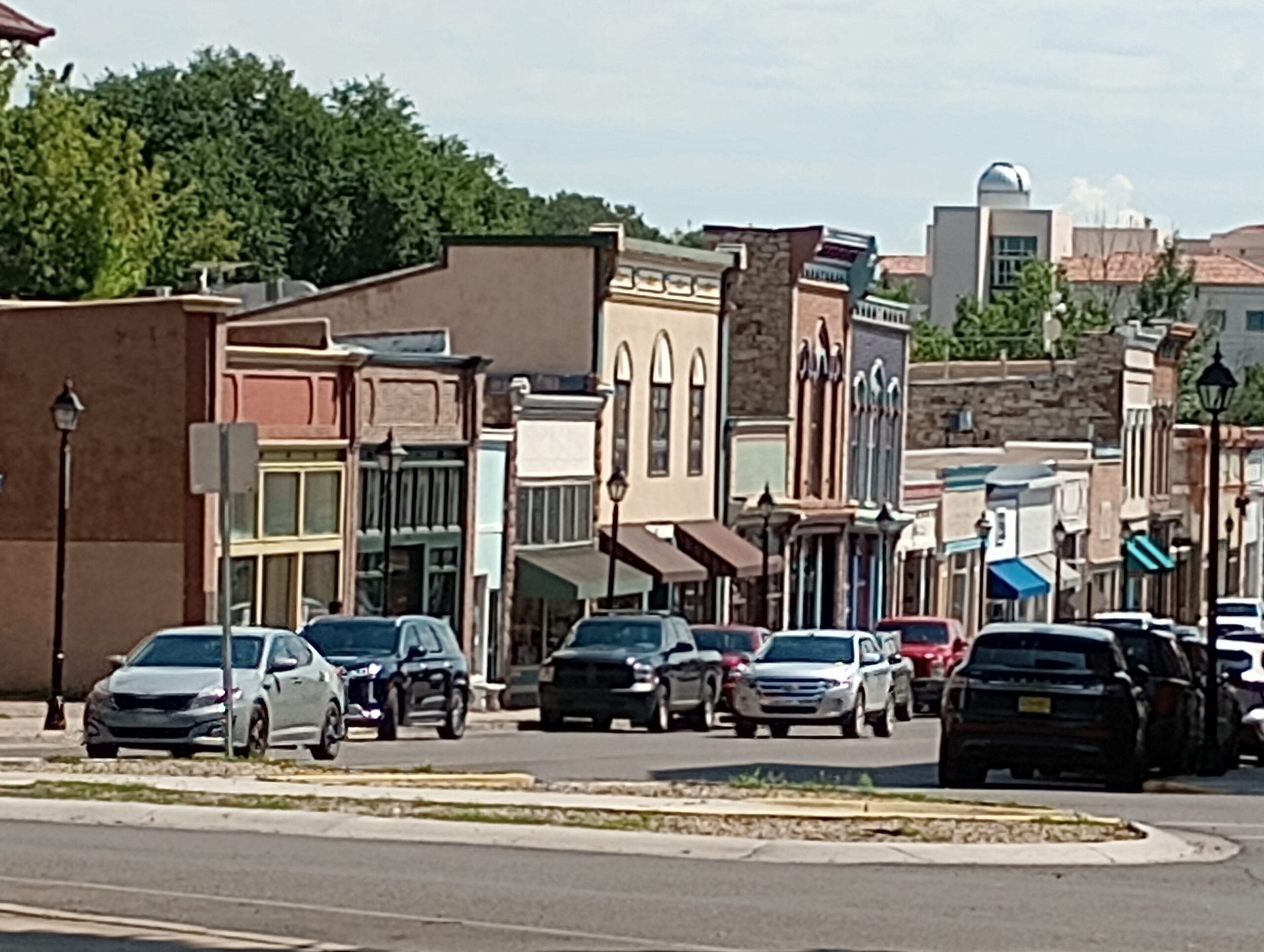
The Old Town Plaza, the layout of the original streets, the historic buildings that line Bridge Street and Grand Avenue — all of it traces back to a town that grew up at one of the most important crossroads in the American West.
Next time you walk the plaza, look east toward the open land stretching toward the plains. The wagons came from that direction. So did the soldiers, the merchants, the settlers, and the travelers who put Las Vegas, New Mexico on the map.
The trail came through here. And Las Vegas has never been the same.